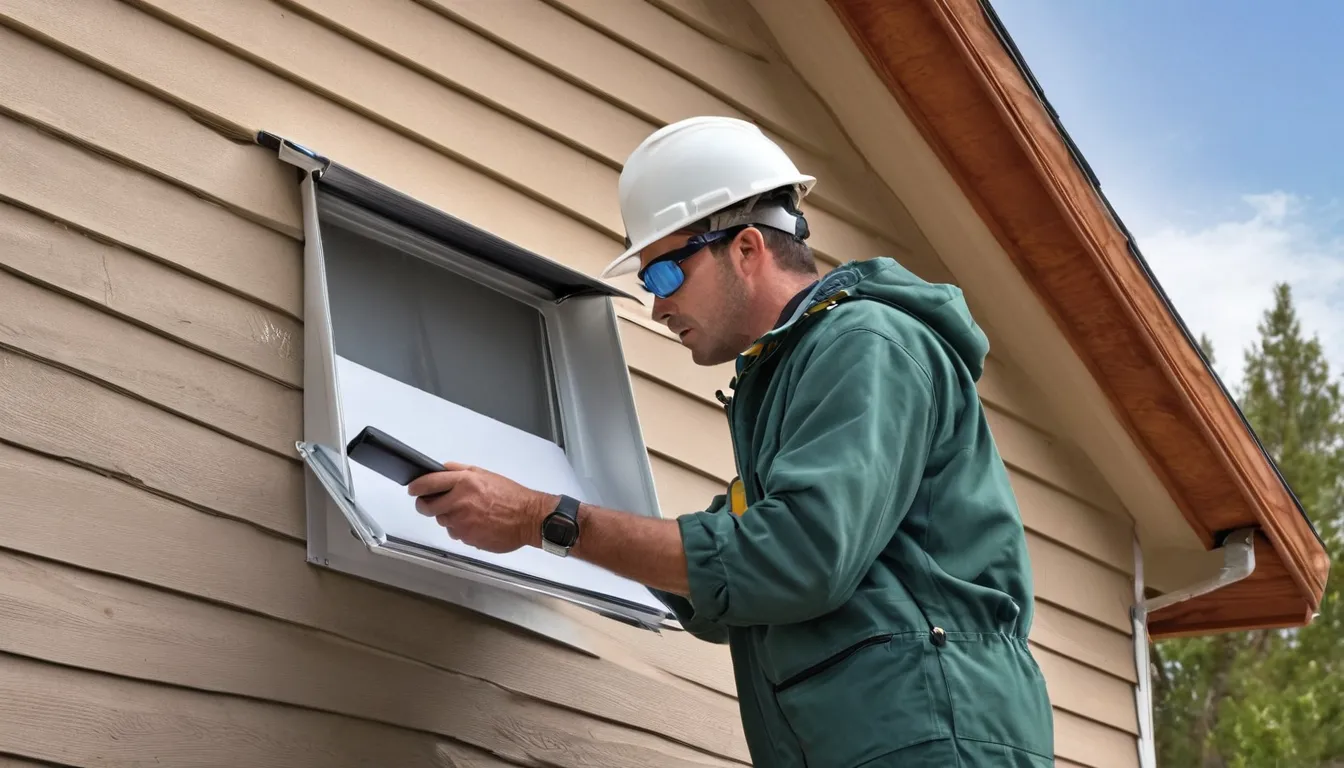
Metersinvite Pest Control is a referral desk for pest and wildlife problems in Boulder, CO and the Boulder area. We do not trap, seal or clean. Independent providers in our network do that work. Our job is to lay out the options first, so you know what you are dealing with before anyone arrives.
A rodent or wildlife job usually has four parts: inspection, removal, sealing entry points and cleanup. This page explains each one, what a written quote should list, and what typical costs look like. Quote before work. Then treat, then seal, so the animals do not come back.
Animals in the Attic or Walls? Start Here
Scratching overhead. Droppings in a cabinet. A chewed hole near the foundation. Any of these means something is living in or entering your home.
Your first move is simple: find out what it is and who can inspect it. Request a callback to check provider availability in your area.
Request Service
Why Speed Matters
Rodents breed quickly. A few mice can become a crowd in a short time. Rats gnaw wiring and pipes. Larger animals tear insulation and soak it with waste.
Some wildlife also has seasons. A raccoon or squirrel in the attic may have young with her. Bring that up with the provider, because it changes how removal is done.
Signs to Watch For
Look and listen for these:
- Scratching, thumping or rolling sounds at night
- Droppings along walls, in drawers or in the attic
- Gnaw marks on wood, wires or stored boxes
- Greasy rub marks along baseboards
- A musty or sharp odor that keeps returning
- Torn insulation, stained ceilings or damaged vents
Quick rule of thumb
Small, rice-sized droppings usually point to mice. Larger, capsule-shaped ones suggest rats. Big piles in one attic corner often mean a raccoon or similar animal.
Common Animals Providers Handle
Providers in our network typically deal with:
- House mice and roof or Norway rats
- Squirrels and chipmunks
- Raccoons and skunks
- Bats, which often have special handling rules
- Birds nesting in vents or eaves
- Opossums and other animals under decks and porches
Each species needs a different method. A snap trap that works on mice does nothing for a raccoon.
How Removal Works
Step 1: Inspection
The provider checks the roofline, vents, foundation, crawl space and attic. The goal is to name the animal and find every way in.
Step 2: Removal
Methods include traps, one-way exit doors and, for rodents, bait stations used with care. The right choice depends on the animal, the season and whether children or pets are in the home.
Step 3: Exclusion
Exclusion means closing entry points with metal mesh, flashing or cut-to-fit patches. Treat, then seal. Skipping the sealing is how problems return.
Step 4: Cleanup
Droppings and soiled insulation may need removal and sanitizing. Ask whether this is included in the quote or priced separately.
Request Service
Humane Handling and Local Rules
Many animals are protected by state or local rules. Some cannot be relocated. Others cannot be removed during nesting season. Bats often fall under special restrictions.
A reputable provider knows the rules for your area and explains them. If a provider cannot, keep looking.
What a Written Quote Should List
Quote before work. A clear quote names:
- The animal identified
- The methods to be used
- Each entry point to be sealed
- Whether cleanup and repairs are included
- Any follow-up visits
- The total price and what could change it
Choosing a Provider
Ask if the provider is licensed for wildlife work in your state. Ask how they handle young animals. Ask what happens if the animals return. Compare at least two written quotes when you can.
Be cautious of anyone who wants payment before inspecting, or who will not put the plan in writing.
Insurance and Damage
Some policies may cover sudden damage, but many exclude long-term infestation. Check your policy. Providers can often help document damage for a claim.
Keeping Animals Out
After the work is done, upkeep matters most:
- Trim branches back from the roofline
- Store food and pet feed in sealed containers
- Keep firewood and debris away from the house
- Cap chimneys and screen vents
- Check seals after heavy snow, hail or spring melt
Homes in our region
Dry air and sharp temperature swings push animals indoors to find shelter. Snow loads and hail can loosen flashing and vent covers. Stucco and wood exteriors can hide small gaps. Newer frame homes and basements have their own weak spots, so ask the provider to check them.
Other Pest Problems
Bed bug treatment and routine residential pest control are separate jobs. Mention them if you suspect more than animals, and the provider can point you in the right direction.
Your Next Step
If you searched for an exterminator near me and found wildlife signs instead, you are in the right place. Describe what you hear and see, and the provider can advise on options.
Request Service
Prefer to write it out? Send the details and request an estimate.
Request Service
What's Included
Inspection and Diagnosis
The provider identifies the animal, finds entry points and explains the plan before any trap is set.
Trapping and Exclusion
Traps, one-way doors or bait stations, matched to the animal and the season.
Sealing Entry Points
Gaps, vents and rooflines are closed with durable materials so animals cannot return.
Cleanup and Repair
Droppings, soiled insulation and minor damage can be handled, depending on the quote.
Typical Rodent and Wildlife Removal Costs
These are typical U.S. ranges. Real prices vary by animal, home size, access and damage. Get a written quote that lists each task before you agree to any work.
| Service | Typical range | Notes |
|---|
| Inspection | $75 – $300 | Some providers apply it to the job |
| Mouse control program | $200 – $600 | Often includes follow-up visits |
| Rat removal | $300 – $1,000 | Depends on the size of the problem |
| Squirrel or raccoon removal | $300 – $1,200 | Higher if young animals are present |
| Entry point sealing | $300 – $1,500 | Based on number and height of gaps |
| Attic cleanup and insulation | $1,000 – $7,000 | Varies with square footage and damage |
Request Service
How It Works
Describe the Problem
Tell us what you hear, see or smell, and where in the home it is happening.
Get Connected to a Provider
We connect you with an independent provider in the network who handles that kind of animal.
Review the Written Quote
The provider inspects and lists the methods, sealing and cleanup, with a price.
Treat, Then Seal the Home
Work is done by the provider, then entry points are closed and upkeep tips are shared.
Why Call Metersinvite Pest Control
Options Before Work
You see the choices and likely steps first, not after a provider is on site.
Independent Providers
Providers in our network do the inspection, removal and sealing. We only connect you.
Plain Answers
Short explanations of terms, methods and quotes, with no jargon and no pressure.
Prevention Focus
Removal is only half the job. We point you to upkeep that keeps animals out.
Other Services